
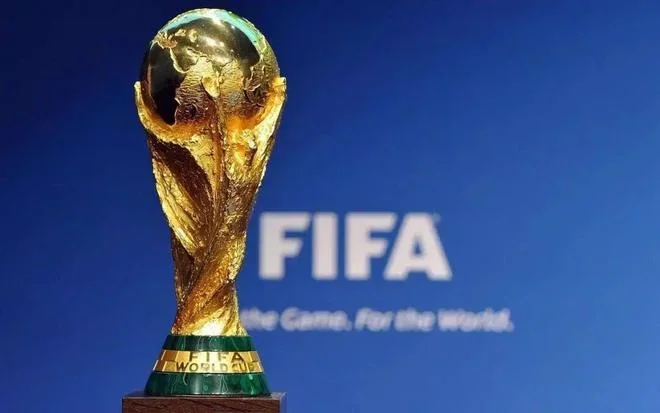
As the 2026 FIFA World Cup in the United States, Mexico, and Canada approaches, the battle over broadcasting rights in mainland China has escalated into a nationwide social media frenzy. Some voices claim that China is being treated unfairly by FIFA, accusing the organization of discriminating against the Chinese market. This has sparked a wave of nationalist sentiment, with some even labeling the negotiations as an “unequal treaty.”
But such an emotional reaction is both unnecessary and misguided. It reflects a fragile sense of national pride that is out of step with the reality of China’s economic strength. If FIFA dares to ask for a high price, it is precisely because China has become wealthier and more commercially influential. The World Cup broadcasting rights are fundamentally a business transaction: one party sets a price, and another negotiates.
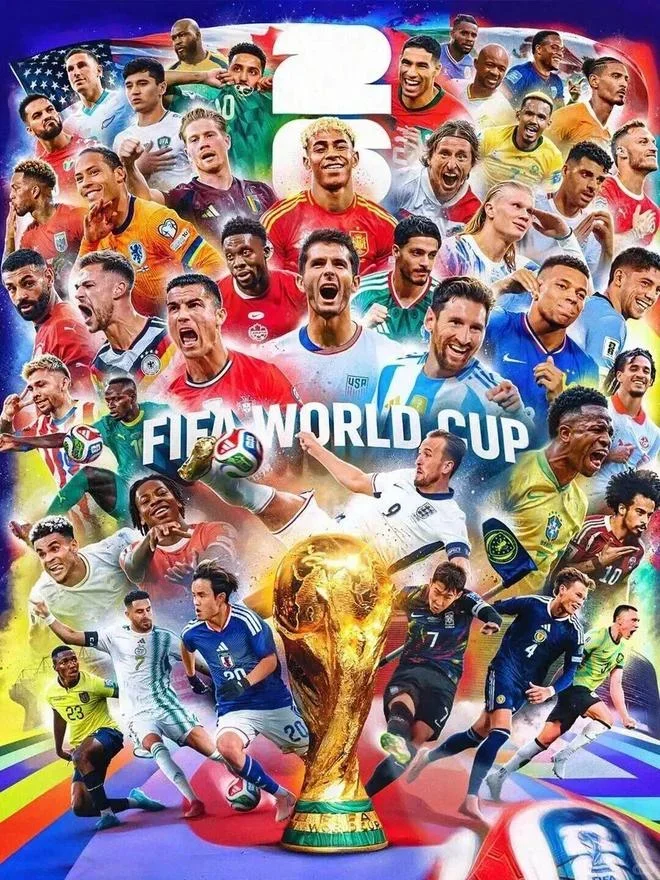
The public outcry often points to the fact that FIFA’s asking price for China is far higher than for India. However, this comparison overlooks the vast difference in consumption power and commercial value between the two markets. Population size alone does not determine market worth. FIFA’s pricing is based on a realistic assessment of how much revenue the Chinese broadcast can generate for advertisers and platforms.
It is important to note that the widely circulated figure of $60-80 million for a single tournament is unsubstantiated. Data from previous deals shows that CCTV paid a total of $300-400 million for the 2018 and 2022 World Cup packages, making the unit cost for each tournament over $150 million. With the expanded 2026 tournament, the value has only increased. A price of $60-80 million is simply not feasible.
From a business perspective, CCTV has little to worry about. During the 2022 World Cup, CCTV earned nearly 5 billion yuan in total revenue from related activities. Even if the unit cost reaches $300 million, sublicensing to platforms like Migu and Douyin, combined with advertising income, ensures profitability. The negotiation is merely about how much profit to make, not whether to take a loss.
While public concern for national interests is understandable, it should not descend into a persecution complex. Turning a commercial negotiation into a nationalistic cause could backfire. If the final deal exceeds the rumored low price, the same voices that now demand a tough stance may accuse CCTV of incompetence. A truly confident sports industry should adhere to legal and commercial principles. FIFA must adapt to China’s evolving market, CCTV should bid rationally based on asset preservation, and the public should view the matter through the lens of business logic.
In sports rights trading, there is no absolute right or wrong—only a balance of supply and demand. Rationality over emotion, and rules over prejudice, will lead to a win-win outcome.